About the Website
Message from the Founder
Welcome & Purpose
“Trinidad is my land, and of it I am proud and glad...”
The Mighty Sniper, Portrait of Trinidad” (1965)
Music video of Portrait of Trinidad
Expanding the Vision
These words, sung during a pivotal period in our nation’s history, capture the deep pride and enduring affection many of us feel for Trinidad and Tobago. This website, LifeInTrinidad.org, is a personal and cultural archive born from a desire to preserve the stories, sounds, memories, and experiences that have shaped our twin-island nation. It is my way of remembering, reflecting, and giving back.
Throughout my professional life as an educator, researcher, writer, and technology specialist, I have been interested in how knowledge is preserved, shared, and passed on from one generation to another. This website grew from that same concern.
Many of the stories, traditions, and everyday experiences that shaped life in Trinidad and Tobago can be found in books, newspapers, photographs, songs, archives, and personal memories. Yet many remain scattered, difficult to discover, or vulnerable to being forgotten as generations pass. Preserving and sharing these stories helps ensure that our collective memory remains alive and accessible.
Through music, memory, history, and personal reflection, I hope to offer a space where others can reconnect with the past and explore what it means to be Trinidadian or Tobagonian. Whether through articles, timelines, cultural commentary, or personal anecdotes, this website invites you to journey through the lived experiences that have shaped our people and our place in the world.
Roots and Early Life
The Mighty Sniper won the calypso crown for “Portrait of Trinidad” in Carnival 1965. Around the same time, I was born in Pepper Village, a small community nestled in the Central Mountain Range near Gran Couva.
Map Showing Location of Trinidad and Tobago in the Caribbean
Unlike many villages in central Trinidad, Pepper Village reflected much of the country’s ethnic diversity. The community consisted of people of East Indian and African descent in roughly equal numbers, along with a small number of persons of mixed heritage. Though Trinidad’s Chinese community had already made significant contributions to national life, there were no Chinese families living in our village at that time.
My parents were of East Indian descent. The East Indians arrived in Trinidad beginning in 1845 as indentured labourers, while Africans had arrived earlier during the period of slavery. Together, these communities helped shape the cultural, social, and economic foundations of modern Trinidad and Tobago.
Growing up in this environment provided an early lesson in diversity, coexistence, and cultural exchange. Looking back, many of the themes that appear throughout this website, identity, belonging, community, and cultural transformation, were already present in the world around me.
A Nation in Transition
The 1960s were a transformative decade for Trinidad and Tobago. The country had recently gained independence from Britain in 1962 under the leadership of Dr. Eric Williams, and there was a growing sense of optimism about the future.
The decade was also significant for another reason. The University of the West Indies was expanding its role in regional development, education, and nation building. Twenty-five years after independence, I entered UWI as a Computer Science student. Ten years later, I joined its academic staff.
Over the ensuing decades, as both student and lecturer, I had the privilege of observing the parallel growth of the university and the nation. My work at UWI exposed me to students from every corner of Trinidad and Tobago and the wider Caribbean. It reinforced my appreciation for the rich diversity of our people, our shared experiences, and the importance of preserving our collective memory.
Bollywood and Cultural Identity
The year 1965 also marked thirty years since the screening of Bala Joban, the first Indian “talkie” film shown in Trinidad. As historian Primnath Gooptar [1] observed, Indian cinema became a powerful cultural link between descendants of indentured immigrants and their ancestral roots.
Bollywood films and songs played an important role in my own upbringing and in the lives of many East Indians throughout Trinidad and Tobago. Their influence extended far beyond entertainment. They shaped language, fashion, cultural practices, and notions of identity across generations.
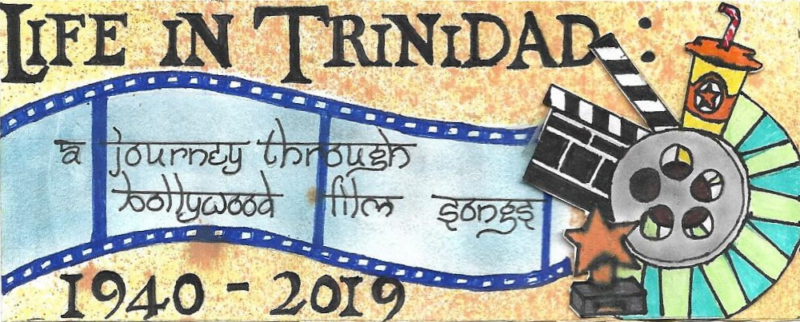
Originally, this website was intended to document the impact of Bollywood films and songs on East Indian communities in Trinidad and Tobago. As I curated songs spanning the period from 1935 onward, I began to recognize that they often reflected important moments in both my life and the wider national story. The music became a lens through which I could tell a much broader story about “Life in Trinidad.”
As the project evolved, I quickly realized that the story of Trinidad and Tobago could not be told through Bollywood alone.
Part of our story lives in calypso, whose lyrics have long documented social change, political developments, triumphs, frustrations, and everyday life. Songs such as Jean and Dinah by the Mighty Sparrow offer valuable insights into historical events and public sentiment in ways that textbooks often cannot.
The website therefore expanded to include calypsos, historical events, social commentary, and other aspects of national life. Over time, additional sections emerged to celebrate the achievements of Trinidadians and Tobagonians in sport, culture, science, education, public service, and international affairs.
These stories remind us that the history of a nation is not shaped solely by governments and institutions. It is also shaped by ordinary people whose efforts, sacrifices, talents, and achievements leave lasting legacies.
Sport, Society, and Shared Memories
For many of us, sport is far more than competition. It is woven into our collective memory, identity, and way of life. Whether through cricket, football, athletics, cycling, netball, or other games, sport has brought communities together, inspired generations, and provided moments of pride, joy, and national celebration.
The Sporting Glory section celebrates these achievements, the athletes who excelled on local and international stages, and the sporting traditions that have helped shape our nation’s character.
Not all chapters of our story are celebratory. Trinidad and Tobago has also experienced periods of social unrest, crime, economic hardship, and political tension. These events are explored in the Shadows of the Past section, not to sensationalize them, but to better understand their causes, their impact, and the lessons they offer.
A complete story must acknowledge both our successes and our struggles. By reflecting on each, we gain a deeper appreciation of where we have come from and a clearer understanding of the path ahead.
Places and Experiences
Although I did not travel overseas during my childhood, I never felt deprived. Trinidad and Tobago offered a world of experiences, natural beauty, and cultural richness.
The beaches, rivers, villages, towns, festivals, cinemas, cricket grounds, schools, and communities of Trinidad form the backdrop of many of the memories and stories shared on this website.
The Places and Experiences section celebrates those locations and the role they play in shaping our personal and collective identities.
A Living Project
LifeInTrinidad.org is dedicated to documenting and sharing the rich and multifaceted story of Trinidad and Tobago. Drawing from personal memory, historical research, cultural analysis, and public sources, it explores the people, events, traditions, music, places, and experiences that have shaped our national journey. In doing so, it seeks to complement and connect the many valuable stories and perspectives that already exist across books, archives, newspapers, and personal collections.
While this project began with my own experiences and interests, it is intended to become much larger than any individual. My hope is that it grows into a collaborative community effort that brings together contributors, researchers, storytellers, photographers, historians, and ordinary citizens who share a love for Trinidad and Tobago.
This website is, and will always be, a living project. New stories will be added, additional perspectives will be welcomed, and new tools will be developed to help preserve and share our heritage. The journey of understanding who we are is never truly complete.
We Need Your Support
This project is a labour of love and is maintained without advertising or subscription fees.
If you find value in what we are doing, I invite you to support the project through voluntary donations, by sharing articles, contributing information, identifying errors, participating in discussions, or submitting your own stories and memories.
The preservation of our collective history is ultimately a community effort.
Thank You
Thank you for joining me on this journey through history, memory, identity, and culture.
Whether you are revisiting familiar memories, discovering forgotten stories, or learning about Trinidad and Tobago for the first time, I hope this website encourages you to reflect, learn, and celebrate the richness of life in Trinidad and Tobago.
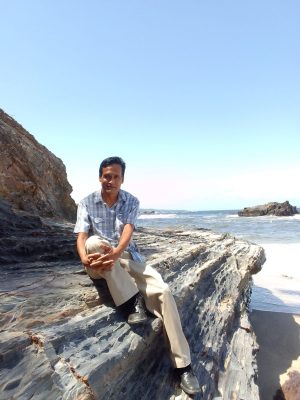
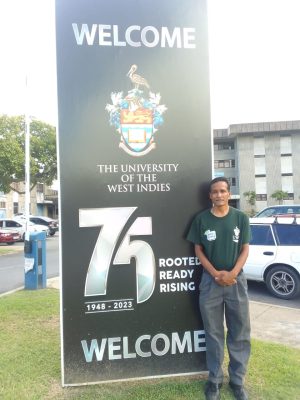
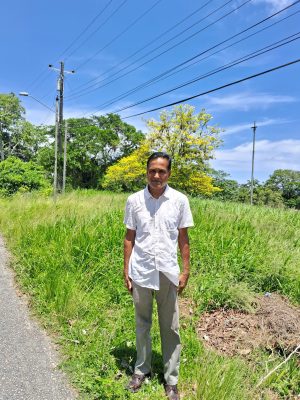
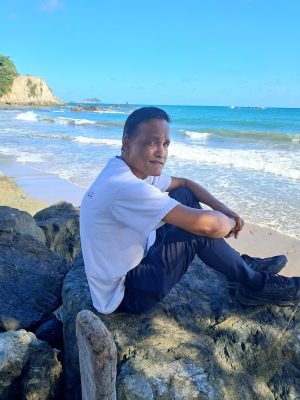
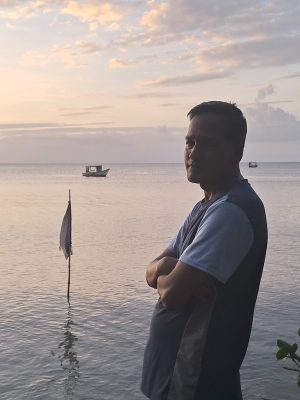
Permanand Mohan
Founder, LifeInTrinidad.org Website/Blog
Trinidad and Tobago
October 1, 2026
References
[1] Gooptar, Primnath (2014). The Impact of Indian Movies on East Indian Identity in Trinidad. Saarbrücken, Germany: LAP LAMBERT Academic Publishing.