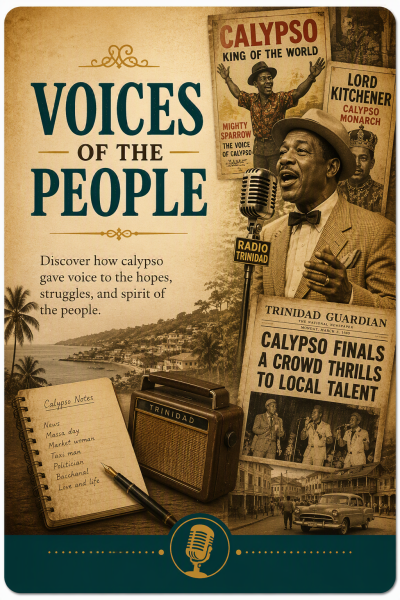
Discover how calypso gave voice to the hopes, struggles, and spirit of the people.
Every Nation Has Its Stories
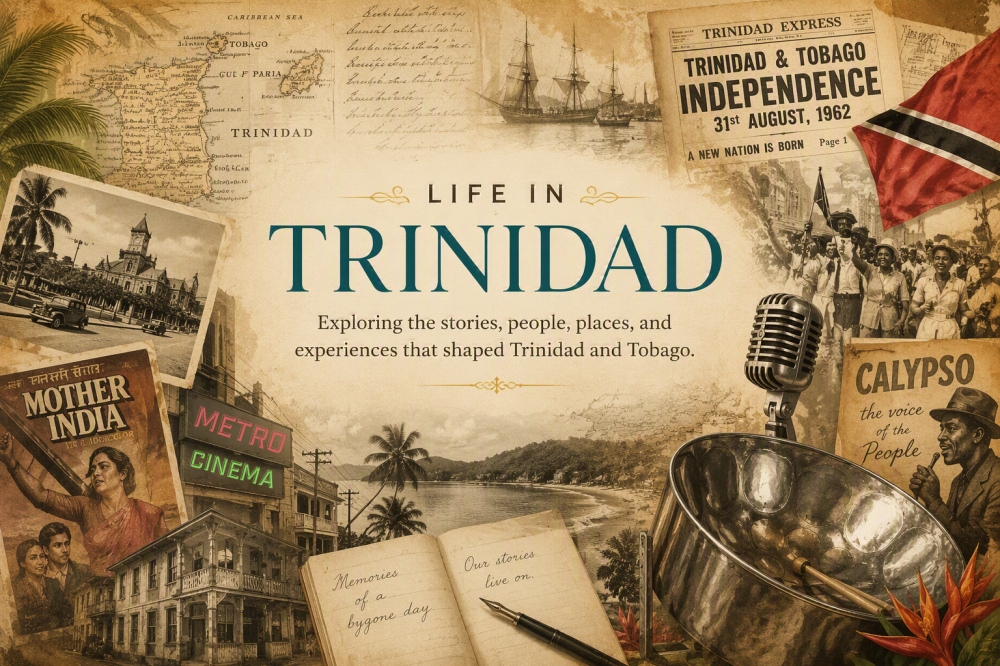
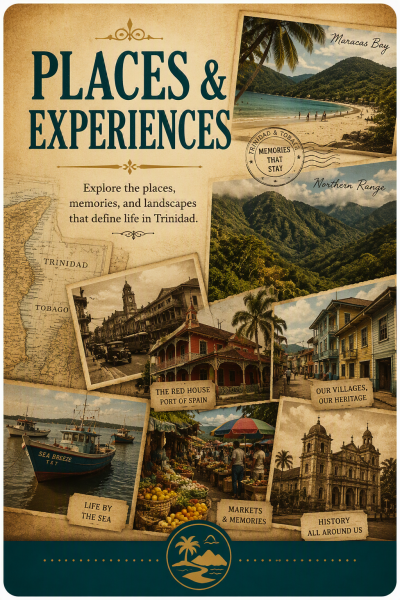
Trinidad and Tobago is more than a place: it’s a rhythm, a memory, a voice, and a journey. This website is a celebration of the people, stories, music, and moments that have shaped life in these twin islands from the 1930s to today.
Choose Your Journey
Featured Historical Moments
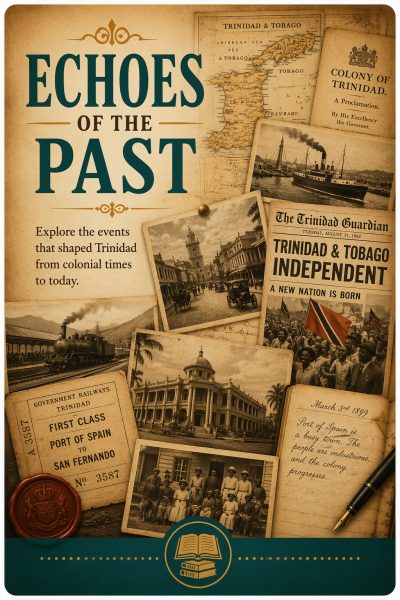
Events that shaped the nation and left a lasting mark on our collective memory.
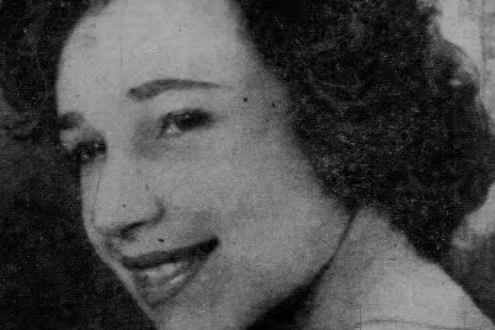
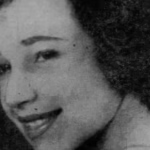
Born in Germany on February 17, 1927, Inge Paula Brown came from a Jewish family and fled Nazi persecution in 1939 with her sister, finding refuge in London. There, she trained as an optician at the London Refraction Hospital before joining the Royal Eye Infirmary in Edinburgh, Scotland.
After World War II, while many surviving Jews chose to settle in Israel or the United States, Inge took a different path, moving to Trinidad in November 1951. She worked as a registered optician in Port of Spain and occasionally travelled to St. Vincent to practise.
In April 1954, she mysteriously disappeared. This article examines the circumstances surrounding her disappearance and explores whether she was ever found and what may have led to her fate.
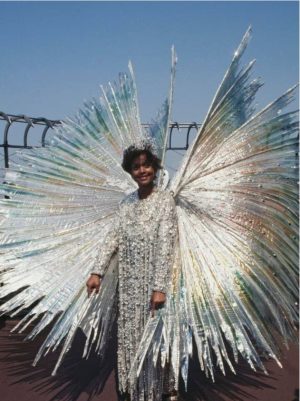
Janelle Commissiong on the Empire State Building in New York
In early 1977, Janelle “Penny” Commissiong returned from the United States to live in Trinidad. In a few months’ time, she would become a household name in her homeland. In July that same year, she returned to the United States and posed with a Carnival costume on top of the Empire State Building.
Why did Janelle Commissiong come back to Trinidad in 1977 and what did she do to become a household name? Why did she go to the Empire State Building?
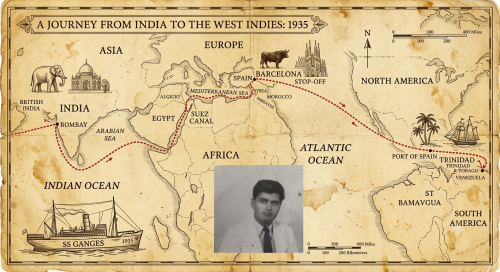
In 1930, Ranjit Kumar graduated with a B.Sc. in Civil Engineering from London University Imperial College of Science. Unable to find employment in England, he returned to his native India in 1931. Four years later, unable to find a suitable job in India, he left India for Trinidad, carrying with him a package which would forever change the Indian cultural landscape in Trinidad.
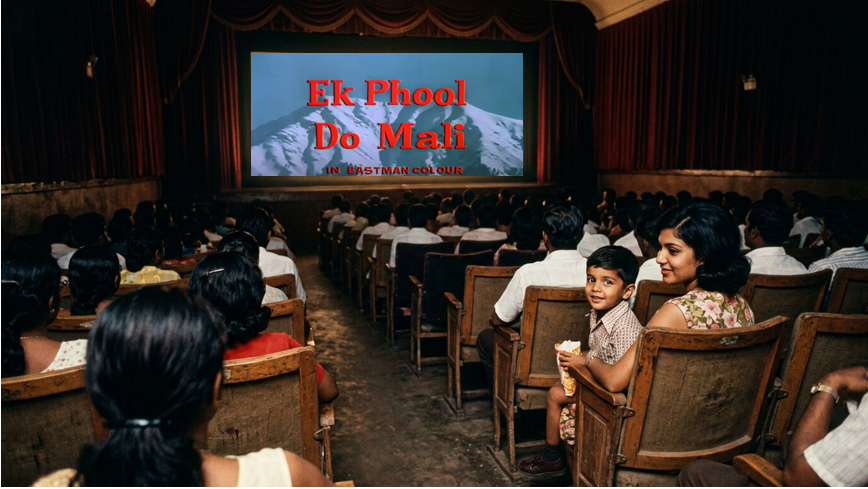
Unfortunately, he missed the ship’s sailing in Barcelona and was separated from his precious package. How did the package and Ranjit Kumar eventually reach Trinidad? What was in the package and how did it change the cultural landscape of Trinidad?