Shadows of the Past
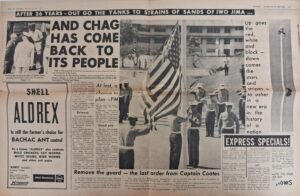
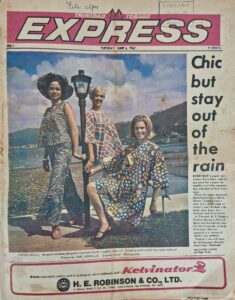
Trinidad and Tobago is a nation known for its vibrant culture, natural beauty, and the resilience and creativity of its people. Yet, like many countries, it has also faced moments of darkness when violence, crime, and social unrest left a lasting mark on the national consciousness. This section of the website explores some of those moments to acknowledge their impact on the lives of everyday citizens. These events, widely known and deeply felt, are part of the collective memory of those who lived through them. To understand the full story of Trinidad and Tobago, we must also reflect on the challenges that shaped its people and institutions. Some incidents, like the 1970 Black Power Revolution, were rooted in social struggle and led to meaningful change. Others, such as the 1990 attempted coup, brought trauma and uncertainty, the effects of which still echo today, especially given the unresolved questions surrounding justice and accountability. Between the 1940s and 1980s, when media was limited to a few newspapers, a handful of radio stations, and a single television channel, high-profile criminal cases often dominated public discourse. Newspapers like The Trinidad Guardian published detailed trial proceedings, and communities followed these stories closely, discussing them in homes, workplaces, and public spaces. To leave out these events would be to leave out a part of who we are. Stories like those of Boysie Singh, the Body in the Bag murder, and the Lettuce Patch murders are not just tales of crime in the days gone by. They are reflections of the times, the fears, and the conversations that shaped our country. We invite you to explore this section with sensitivity and reflection, as we examine the events that challenged our nation and, in some cases, helped define its resilience. |